Category: Everyman Justice Articles
-
Online Divorce vs DIY Divorce: What Are You Actually Paying For?
When comparing online divorce vs DIY divorce, you will quickly find companies offering packages described as online divorce, managed divorce, fixed-fee divorce or divorce application services. The advertising can make it appear as though applying online is a special service that needs to be purchased. But there is an important point to understand before paying…
-
The Divorce Is Final — But Are Your Financial Claims Still Open?
The arrival of the Final Order can feel like the end of everything. The marriage has legally ended. The divorce application has disappeared from the court portal. You are free to remarry. There may be nothing left to sign and no further divorce hearing to attend. It is therefore entirely understandable to think: “That is…
-
Should You Use AI for Your Family Court Case?
Yes. AI for family court cases can be extremely useful, particularly if you are representing yourself—but you need to know how to use it safely. It can help you understand the process, organise your evidence, prepare clearer documents and ask better questions. For many Litigants in Person, it can provide practical assistance that would previously…
-
Pathfinder Family Court Reform: How Early Safeguarding Records Can Shape a Case
In private children proceedings, the first summary often carries more practical and emotional weight than its provisional status suggests. Under the Pathfinder family court reform now expanding across England and Wales, the family court process increasingly begins with earlier information gathering, safeguarding discussions, and more detailed initial summaries. The intention is understandable and, in many…
-
Breach of a Child Arrangements Order: What Happens Next?
A breach of a Child Arrangements Order can arise where arrangements set out by the Family Court are not followed. This might involve cancelled contact, failed handovers, blocked calls or a child not being made available when the order says they should be. Not every missed arrangement automatically means that enforcement will follow. The court…
-
High-Conflict Family Court Cases: Behaviour Patterns, Allegations and Trauma Explained
High-conflict family court cases are among the most challenging disputes parents face. These cases often involve repeated allegations, emotional escalation, communication breakdown, and difficulty reaching agreement about children. Understanding the behaviour patterns behind high-conflict cases helps parents prepare more calmly and present their situation more clearly to the court. In England and Wales, high-conflict cases…
-
How Cafcass Assesses Parents: Safeguarding Letters, Section 7 Reports, and What the Court Takes From Them
This guide explains how Cafcass safeguarding and Section 7 reports are assessed and interpreted by the court. If you are involved in a child arrangements case, Cafcass contact can feel like the moment everything “gets decided” — even though it’s often just one call. This guide explains what Cafcass is actually doing during: If you…
-
Child Arrangements Order Process: A Step-by-Step Guide
This guide explains the Child Arrangements Order process in England and Wales, from making a C100 application through Cafcass involvement, court hearings and, where necessary, a final hearing. The exact route can vary depending on safeguarding concerns, whether agreement is reached and which court is dealing with the case. If you need practical help preparing…
-
Are McKenzie Friends Regulated? What “Not Regulated” Really Means in Practice
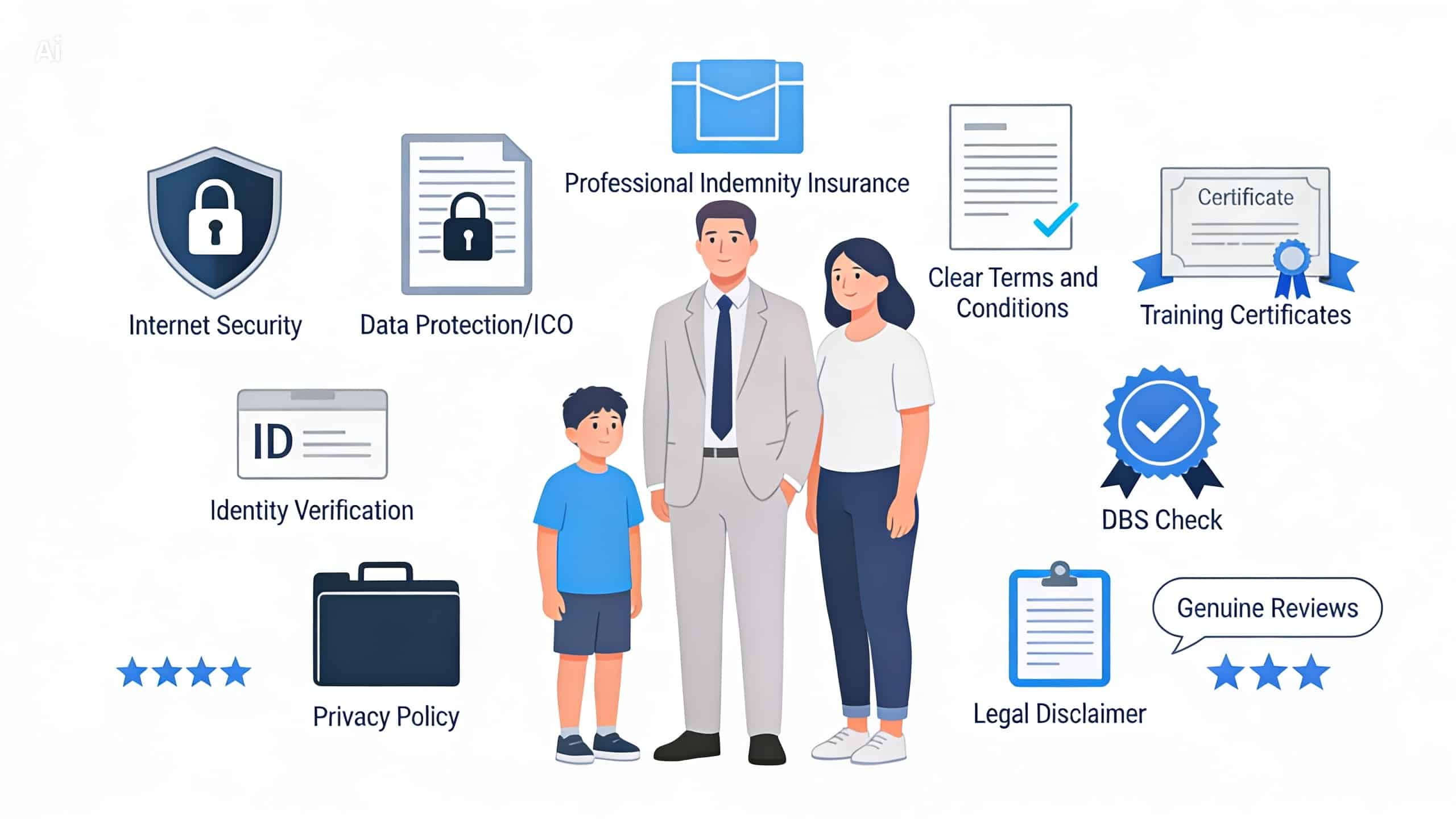
When parents start looking for support in family court, one of the first and most sensible questions they ask is: “Are McKenzie Friends regulated?” It’s an important question — and one that is often misunderstood. This article explains what “not regulated” actually means in practice, what protections do exist, and what parents should realistically look…
-

McKenzie Friend Support Outside Court: What Help Can You Get?
McKenzie Friend support outside court can be just as important as support during a hearing. People often imagine a McKenzie Friend as someone who sits beside them in court. That can be part of the role, but much of the practical work happens before and between hearings — understanding directions, preparing documents, organising information and…